Step into a world where simplicity meets elegance, and every corner whispers tranquility. Japanese interiors are like a Zen garden for the eyes, blending minimalism with nature’s beauty. Imagine walking into a space that feels as refreshing as a cool breeze on a hot summer day—no clutter, just harmony.
Overview of Japanese Interiors
Japanese interiors prioritize simplicity and elegance. Natural materials play a significant role, creating spaces that reflect harmony with the environment. Wood and stone often form the basis of furniture and floors, emphasizing a connection to nature.
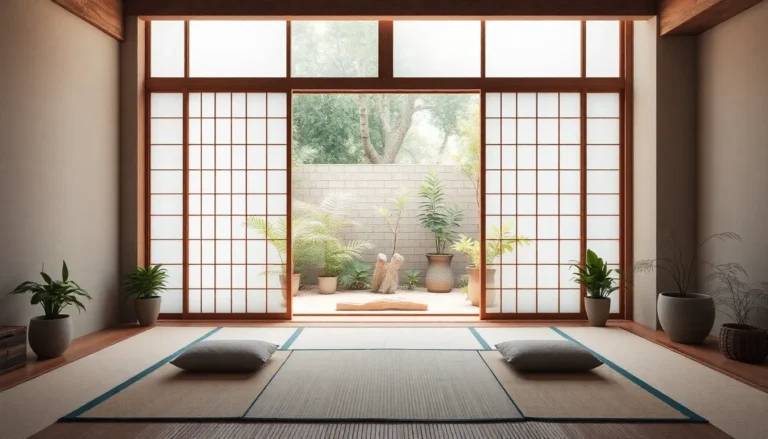
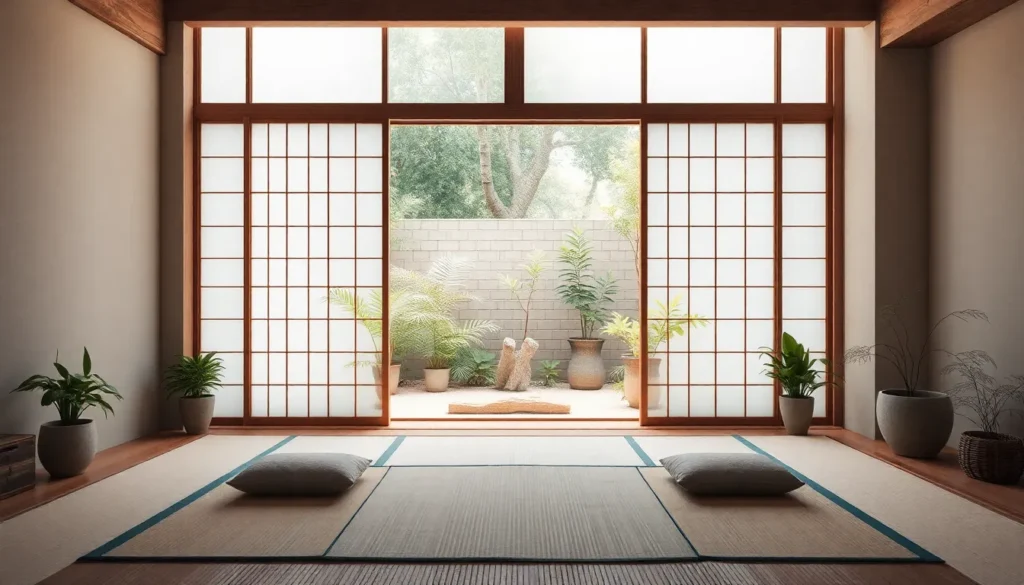
Tranquility defines these spaces, as the layout encourages open areas and unobstructed views. Sliding doors known as shoji allow flexibility in room configuration, fostering a sense of unity with nature. This design choice invites light, further enhancing the serene atmosphere.
Color palettes remain neutral, focusing on earthy tones that promote relaxation. Accents often include soft textiles and simple decorative items, ensuring the aesthetic remains unadorned yet sophisticated. Minimal decor creates a sense of calm, inviting occupants to breathe and relax.
Plants frequently serve as decorative elements, bridging the gap between indoor and outdoor environments. These living components foster a sense of well-being, allowing nature to permeate daily life.
Functionality remains key in Japanese interiors. Furniture often doubles as storage, such as futons that tuck away during the day. This dual-purpose design helps maintain an uncluttered and efficient living space, essential in compact urban environments.
Overall, Japanese interiors reflect a lifestyle that values mindfulness and simplicity. The careful selection of materials, colors, and layouts contributes to a deeply peaceful atmosphere. The blend of tradition and modernity enhances their appeal, making them a timeless choice in interior design.
Key Elements of Japanese Interiors
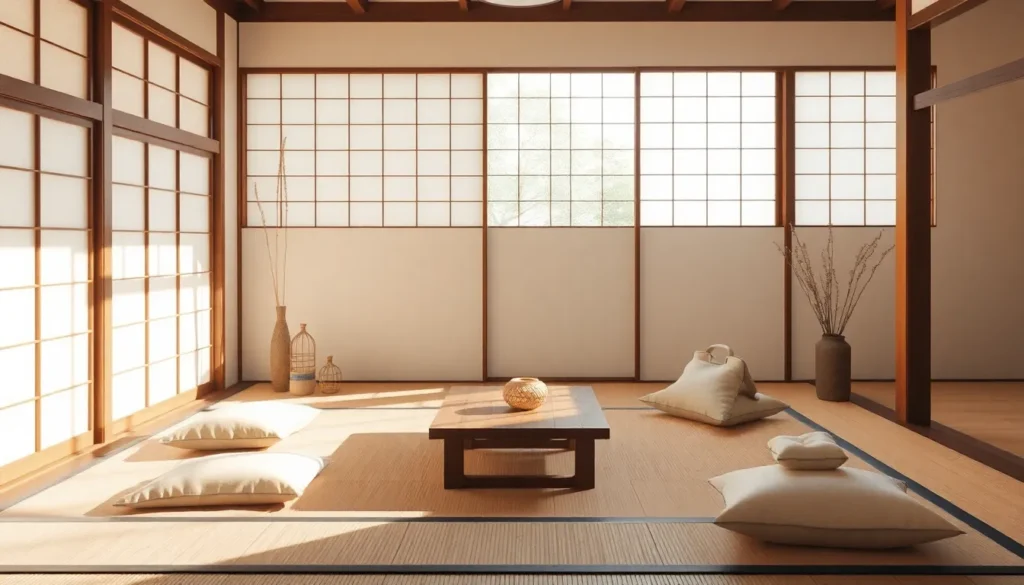
Japanese interior design centers around tranquility and elegance. The elements below highlight the foundational aspects of this distinctive style.
Minimalism and Simplicity
Minimalism plays a crucial role in Japanese interiors. Spaces are curated to reduce clutter and focus on essential items. Clean lines and unobtrusive decor enhance a calm atmosphere. Design often prioritizes functionality, ensuring that every piece serves a purpose. Futons, for example, serve as versatile bedding that can be easily stored away. By selecting only key elements, Japanese interiors promote relaxation and mindfulness, guiding individuals towards a more serene lifestyle.
Natural Materials and Textures
Natural materials top the list of preferences in Japanese interiors. Wood and stone create a harmonious connection to nature. Bamboo, a common resource, adds subtle texture while maintaining a light aesthetic. Textiles, such as cotton and linen, foster a soft ambiance without overwhelming the senses. Each material invites warmth and comfort into the space. The emphasis on earthy tones ensures that the interiors reflect the surrounding environment, reinforcing the bond between indoor and outdoor areas. Consequently, this choice of materials contributes significantly to the overall serenity of Japanese interiors.
Traditional Japanese Design Concepts
Traditional Japanese interiors are deeply rooted in cultural significance, emphasizing simplicity and a connection to nature. These principles manifest in various elements that define the serene atmosphere of Japanese spaces.
Wabi-Sabi Aesthetics
Wabi-sabi embraces imperfection and transience, celebrating the beauty found in natural elements. This aesthetic recognizes the charm in worn textures and asymmetry, promoting a sense of calm. Items reflecting wabi-sabi often include handcrafted ceramics and rustic wooden furniture, emphasizing authenticity over mass production. Colors typically lean toward muted tones, fostering a tranquil environment. Including organic shapes and materials enhances the overall simplicity, leading to a refined yet relaxed ambiance in the home.
Tatami and Sliding Doors
Tatami mats play a central role in traditional Japanese interiors, providing both comfort and functionality. These mats, made from rice straw, contribute to a sense of warmth while defining spaces. Sliding doors, or shoji, complement tatami by allowing flexible room configurations and fluidity between indoor and outdoor areas. Light passes through shoji, creating soft shadows and enhancing the atmosphere. Both elements encourage minimalistic living, emphasizing the importance of open space and natural light. Together, tatami and sliding doors create a harmonious environment that reflects traditional Japanese values of simplicity and serenity.
Modern Interpretations of Japanese Interiors
Modern interpretations of Japanese interiors seamlessly blend tradition with contemporary design. They reflect a commitment to minimalism while integrating elements from various cultures.
Fusion with Western Styles
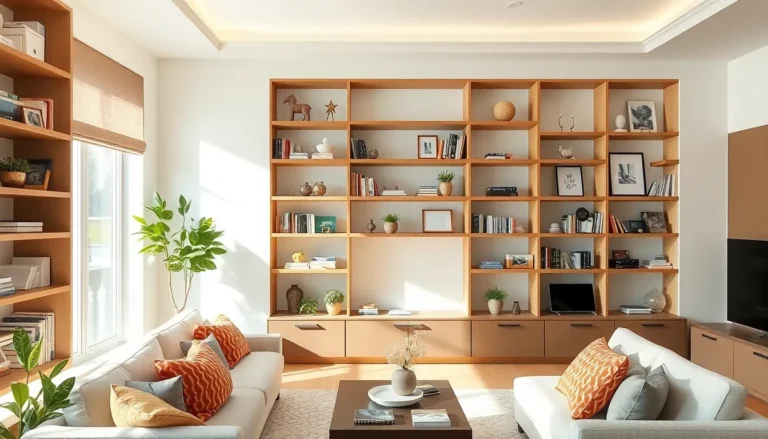
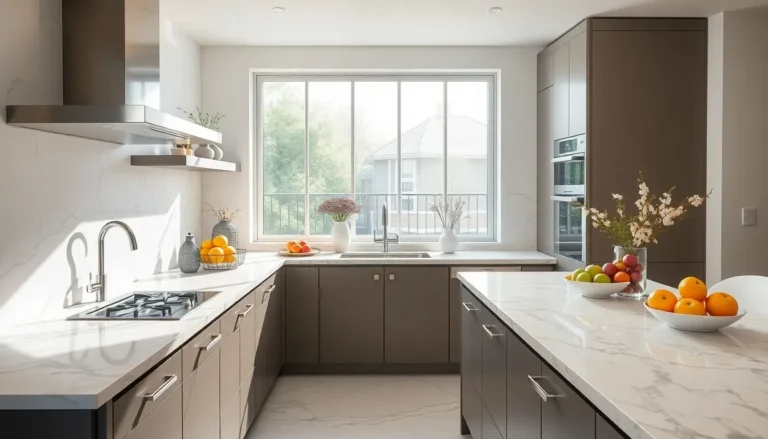
Fusion with Western styles results in dynamic hybrid spaces. Designers incorporate sleek furniture and bold colors alongside traditional Japanese elements. For example, open floor plans combine Western functionality with Japanese simplicity, creating versatile living areas. Similarly, designers often use natural materials, like wood and metal, to maintain harmony. Adaptations of shoji screens offer privacy while preserving an airy feel. Incorporating plush textiles into a mostly minimalist design also adds warmth. Through these combinations, interior spaces celebrate both cultural aesthetics, achieving a unique universal appeal.
Sustainable Design Practices
Sustainable design practices thrive within modern Japanese interiors. The emphasis on natural materials aligns with eco-friendly principles, reducing the carbon footprint. Designers often source local wood and stone, minimizing transportation emissions. Incorporating energy-efficient lighting supports environmental preservation while enhancing interiors. Furthermore, the commitment to longevity ensures furniture and décor withstand the test of time. This long-lasting approach embodies the Japanese value of mindfulness. Eco-conscious choices, like indoor plants, contribute to improved air quality, merging beauty with functionality. Ultimately, sustainability enforces the idea of living in harmony with nature, a fundamental aspect of Japanese design philosophy.
Japanese interiors offer a unique blend of tradition and modernity that resonates with those seeking tranquility and simplicity. The emphasis on natural materials and minimal decor fosters a serene environment that promotes mindfulness. By integrating elements from nature and maintaining a clutter-free space, these designs create a harmonious atmosphere.
Whether embracing traditional aesthetics or modern interpretations, the core principles of Japanese interior design remain relevant. The commitment to sustainability and functionality reflects a lifestyle that values both beauty and practicality. Ultimately, Japanese interiors inspire a deeper connection to one’s surroundings, making them a timeless choice for any home.